 Login
Login Contact


 Contact
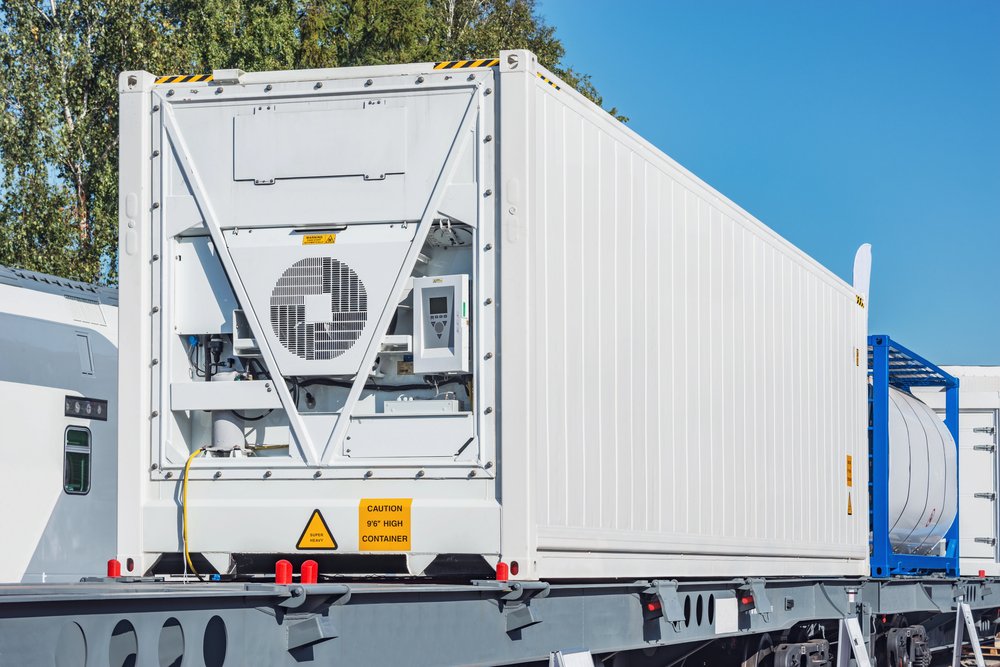
Shipments must meet certain standards to ensure both regulatory compliance and quality control. Importers and exporters shipping pharmaceuticals, produce, and other perishable and temperature-sensitive goods rely on cold chain logistics to ensure their shipments meet these standards.
BBE is an expert in cold chain logistics and temperature-sensitive shipments. To help your company ship temperature-sensitive products effectively, we have created this blog on best practices for temperature-controlled shipments:
Maintaining Product Integrity In Extreme Climates
In the Canadian North, frigid temperatures can damage temperature-sensitive shipments, freezing and destroying organic material. In the summer, conversely, the threat comes from temperatures that are too high—especially in uninsulated containers.
To ensure the integrity of your shipment in extreme climates, temperature-controlled shipping and storage are essential; these controls ensure that your shipment will never get too hot or too cold. This is the purpose of cold chain logistics: Ensuring that your shipment is always being transported or stored in temperature-controlled environments.
To keep your goods within the acceptable temperature range in extreme climates, temperature conditions in each facility or container must be tightly controlled well before the shipment arrives. In most circumstances, the areas where your shipment will be transferred must be pre-cooled (or pre-heated). Additionally, steps should be taken to ensure that goods are transferred quickly from area to area to avoid unacceptable temperature deviations.
The cold chain shipping experts at BBE partner with storage and transportation companies that have experience housing and shipping temperature-controlled goods in extreme climates.
Effective Packaging And Storage Solutions
When considering how to ship temperature-sensitive goods, it’s important to consider how those goods will be packed. Your packaging may include:
- Cooling agents
- Absorbent materials
- Leak-proof bags or boxes
- Insulation
Ideally, businesses should opt for reusable packaging. Temperature-sensitive shipments are necessarily more expensive than their non-temperature-sensitive counterparts. Choosing more expensive but more durable packaging solutions can save businesses money over time.
The warehouses and distribution centres must be temperature-controlled; ensuring that they are pre-cooled (or pre-warmed) to meet your temperature requirements is another important part of cold chain logistics.
BBE can help you with all of the above: Our cargo profiling services can help you improve your packaging and your selection of storage partners.
Regulatory Compliance And Industry Standards
Virtually all cold storage logistics efforts are undertaken in order to ensure regulatory compliance and quality control. Meeting regulatory benchmarks is not sufficient; you must be able to prove that you have met those benchmarks and provide appropriate documentation when required.
In addition to national regulatory standards, each state, province, or territory within a nation may have its own standards. This can create a labyrinth of complex, sometimes seemingly contradictory, regulations to navigate.
The team at BBE can help you evaluate your packaging, transportation, and storage to meet the standards of every jurisdiction to which you are shipping. We can help you assess whether or not one single standardized process is appropriate for every destination, or if changing your packaging approach for different regulatory entities will help you reduce your costs.
Monitoring And Tracking Temperature-Sensitive Goods
Temperature fluctuations are almost inevitable; they are the result of extreme temperatures and the transfer of goods between storage facilities and transportation partners.
While you cannot fully control these fluctuations, you can still strive to keep your goods within the desired temperature range. To ensure that temperature-sensitive products do not leave these specific temperature ranges, cold chain management experts use temperature monitoring devices.
Temperature monitoring devices come in several forms, including data loggers, wireless sensors, probe thermometers, and strip chart recorders. These sensors transmit data via Wi-Fi, LoRaWAN, or other protocols, and the data is then displayed via real-time monitoring software.
Beyond recording temperature data, sensors should also include temperature alarms that alert your team when temperatures go above or below a given threshold.
Temperature sensors must be placed strategically to monitor the temperature of goods, as well as the ambient temperature of shipping containers and warehouses.
BBE can help you find shipping partners that provide temperature monitoring equipment; we also offer our own real-time monitoring services to alert us when and where your shipment is at every step of the logistics process. This gives us the power to notify our partners when deviations occur—and gives you the power to focus on your business, instead of worrying about monitoring shipments.
Continuous Improvement Through Quality Assurance
We have discussed a number of critical components and best practices for temperature-sensitive shipments:
- Choosing the right transportation partners
- Choosing the right storage partners
- Finding cost-effective packaging solutions
- Ensuring regulatory compliance across jurisdictions
- Monitoring temperatures at all stages of the cold chain shipping process
All of these practices generate data, including:
- Pricing data from partners
- The cost of packaging supplies
- Failure rates
- Temperature data
- Time to delivery
Using this data, we can continuously improve upon the cold chain management process. Here are two examples:
- We may find that the benefits of a transportation partner that offers faster delivery offset the extra cost of working with that partner.
- We may find that shipping goods with a less-than-truckload (LTL) service reduces costs when compared to shipping with a full truckload (FTL) service while still keeping goods within the required temperature range.
At BBE, our philosophy is one of constant improvement; we are always calculating risks, costs, and potential benefits when establishing shipping routes and determining which partners to work with.
Take The Next Step In Securing Your Shipments
When you ship temperature-sensitive products, you need to:
- Keep them within the correct temperature range at all times
- Ensure that they arrive to market on time
- Keep your shipping costs as low as possible within these tight constraints
BBE can help with all of the above. Contact our pharmaceutical shipping specialists today, and improve your cold storage supply chain from the first mile to the last.