 Login
Login Contact


 Contact
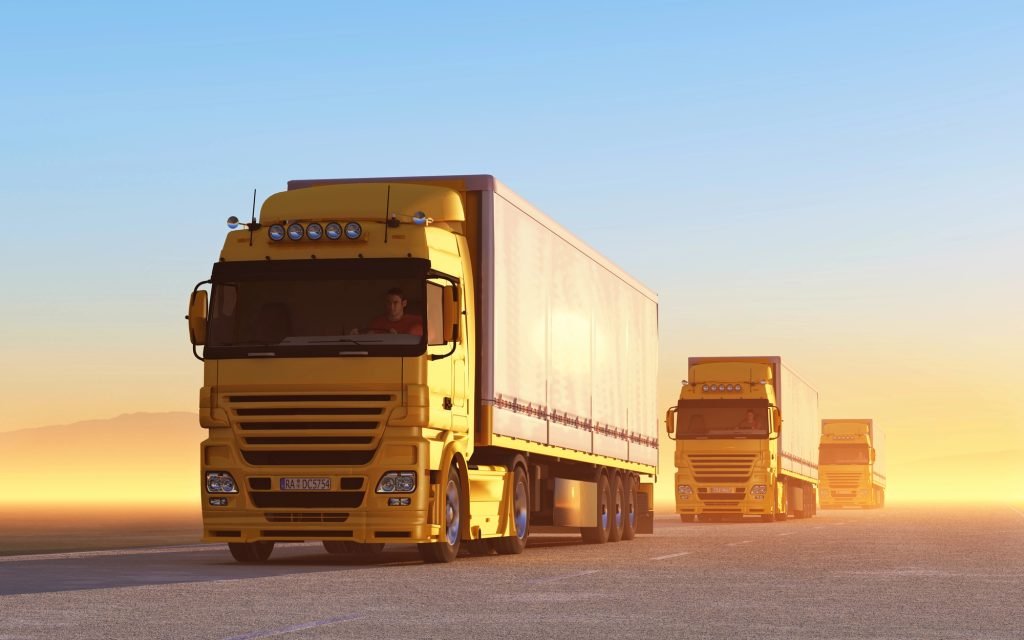
FTL and LTL are two modes of road-based transportation. Both modes have their advantages and disadvantages, and companies will often shift between FTL and LTL transportation based on their needs. In this article, we’ll define both terms, explore the advantages and disadvantages of each, and offer examples to help illustrate the importance of both modes of transportation:
What Is FTL
FTL stands for “full truckload”. This method of transportation is used when your shipment is large enough to fill an entire truck. A full truckload shipment means your shipment won’t be consolidated with shipments from the transportation company’s other customers.
What Is LTL
LTL stands for “less-than-truckload”; this method is used when your shipment is not large enough to fill an entire truck. When using LTL, multiple shipments from different companies are consolidated together; the cost of transportation is shared between those companies.
Main Differences Between FTL And LTL
Both FTL and LTL are core parts of road freight logistics, and companies will frequently use both to fulfill their needs. Here are some of the key factors that can make a company choose one over the other for a given shipment:
Urgency Of Delivery
When goods need to arrive as quickly as possible, FTL shipping is the way to go.
In LTL shipping, trucks must stop at different nodes for goods to be loaded and off-loaded. Your goods may not arrive at your consignee (or consignees) until much later, depending on the most efficient route for the trucks. Though you may be able to pay more to get your goods delivered more quickly, the process is still unlikely to be as fast as FTL shipping.
Budget Constraints
Want to reduce the cost of delivering goods? You might consider LTL shipping, especially if you don’t have enough goods to fill an entire truck.
In LTL shipping, the cost of transportation is shared between the companies paying for the service. Each company ends up paying significantly less than it would if it were to purchase FTL shipping without utilizing all of the space in the truck.
There is a tradeoff to consider; because FTL shipments arrive faster than LTL shipments, you can start selling goods sooner. In some circumstances, this can make the additional cost of FTL shipments worth the price, even with budget constraints.
Fragility Of Goods
For particularly fragile goods, FTL shipping can be a better choice than LTL. In LTL shipping, your goods will be handled multiple times; they may be moved to unload or load other goods. Though transportation companies should be cautious with all goods, increased handling means an increase in risk—no matter how cautious the company may be.
Special Requirements
Both LTL and FTL freight shipping can handle goods with special requirements, including cold chain shipments, hazardous goods shipments, and more. LTL and FTL shipping providers will ensure that they have the competencies and resources needed to manage these goods, or they’ll decline to ship them altogether.
Even in the shared, partial truckload shipping offered by LTL suppliers, goods with special requirements will be strategically loaded to ensure compliance with your needs, as well as compliance with regulatory requirements.
Pros And Cons Of LTL Vs. FTL
Both FTL and LTL shipments play an important role in transportation and logistics, and many companies will use both types of shipping to fulfill all of their needs, with LTL being used for smaller shipments and FTL being used for larger and more urgent shipments.
Using a combination of the two is the best way to realize cost savings for most companies; here are some of the pros and cons of each:
FTL Shipping
Pros:
- The most time-efficient way to transport goods by truck
- Your goods will be handled less often
Cons:
- Can be more expensive than LTL if you cannot fill an entire truck
LTL Shipping
Pros:
- The most cost-efficient way to transport goods if you cannot fill an entire truck
- Gives flexibility in scheduling; when whole trucks are not available for remote or underserved destinations, partial trucks can be used to deliver some of your goods to your consignee
Cons:
- Goods take more time to reach their destination
- Goods are handled more frequently
Use Cases For FTL And LTL Shipping
As mentioned above, LTL and FTL shipments are often both utilized by the same company. Here are a few examples of when to use each, and when to use a combination of the two:
- A construction company orders a truckload of prefabricated wall panels for a large infrastructure project in Edmonton. The crew is ready, and the delivery needs to be timed to arrive exactly when the panels need to be installed —FTL shipping is the way to go.
- A remote gold mine in Nunavut urgently needs to replace drill bits that broke mid-operation. These high-priority items may be shipped LTL to an airstrip for hotshot delivery.
- A company is developing a hydroelectric dam in Northern Manitoba. FTL shipping would be used in the initial construction, ensuring turbines, generators, and other key equipment arrive on-time. LTL is then used as parts wear down, new sensors are needed, or other repairs are required.
You may have already gleaned from these examples that all of the industries we just looked at may be well served by both FTL and LTL transportation. Mining companies may use FTL to get large pieces of equipment to their operations, while construction companies may use LTL to deliver goods to more remote locations.
The furniture supplier, in turn, will probably use FTL shipments to send sofas, chairs, beds, tables, and other furniture to distribution centres for large national furniture retailing chains.
In short, using both LTL and FTL for freight shipment is common; it all depends on the circumstances.
Choose BBE For Your Next Shipment Needs
Determining whether your shipment should be sent by FTL or LTL can be complicated; cost efficiency must be balanced with shipping time, handling concerns, and flexibility.
BBE shipping company can handle these complexities for you. Our freight forwarding team will determine whether FTL or LTL is right for your shipments, and adjust on the fly as demand, transportation options, and other factors change. We work with transportation companies across the globe that offer both LTL and FTL freight services, and we’ll coordinate between these providers on your behalf.